in today's era of rapid development of information technology, choosing the right server is crucial to the operation of an enterprise. especially in a technologically advanced country like japan, having high-performance servers can not only improve business efficiency, but also improve customer experience. this article will give you a detailed introduction to how to purchase high-performance servers in japan, including choosing a suitable service provider, understanding server configuration and price and other important factors.
there are many reasons to buy high-performance servers in japan. first of all, japan's internet infrastructure is very mature, with fast data transmission speed and high network stability. secondly, japanese server providers usually have a high technical level and can provide the latest hardware equipment and professional technical support. in addition, japan, located in the asia-pacific region, can provide users in surrounding countries and regions with lower latency and improved access speeds.
in japan, there are many well-known server providers to choose from. you can obtain relevant information by searching for "japanese high-performance server" or " japanese server rental" through a search engine. some well-known service providers include b ntt communications b, b softbank b, b aws japan region b, etc. each of these companies offers several types of server solutions suitable for businesses of different sizes and needs.
there are several factors to consider when choosing a high-performance server. first, you need to clarify the purpose of the server, such as whether it is used for website hosting, application development, or big data processing. secondly, the configuration of the server is also crucial, including cpu performance, memory size, storage type (hdd or ssd), etc. generally speaking, servers with ssd storage have better performance than hdd storage, but the price is also relatively high. in addition, you also need to pay attention to the service provider's network bandwidth, service level agreement (sla), and technical support.
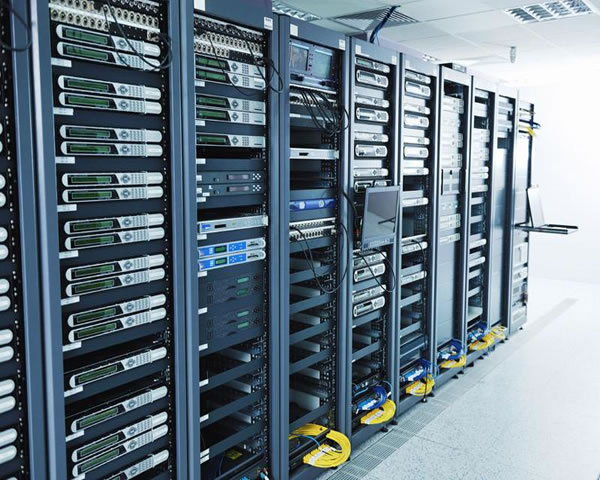
when evaluating a high-performance server, there are several key configurations to focus on. first of all, the number of cores and main frequency of the cpu directly affect the processing capabilities of the server; secondly, the larger the memory capacity, the more concurrent users it can support; finally, storage speed and capacity are equally important, especially for applications that require fast reading and writing of data. in addition, the speed of the network interface (such as gigabit ethernet) also affects the efficiency of data transmission.
evaluating the cost-effectiveness of a server mainly considers the ratio of price to performance. first, you can compare the same configurations from different service providers to see which service provider offers a more competitive price. secondly, you can also consider the cost of long-term use, including maintenance fees and technical support fees. finally, reviewing user reviews and stories is also a good way to evaluate. understanding other customers’ experiences can help you make more informed decisions.
technical support is an important factor to consider when purchasing a high-performance server. many well-known service providers provide 24-hour technical support to ensure that problems can be solved in a timely manner. when choosing a service provider, you can check the support service content on its official website to find out whether it provides online consultation, telephone support, technical documentation, etc. at the same time, you can also learn about other users’ real experiences with technical support by reading user reviews.
the security of the server directly affects the data security and business continuity of the enterprise. when choosing a server, you need to focus on the following aspects. first, whether the service provider provides ddos attack protection and firewall services. secondly, data backup and recovery solutions are also crucial to ensure quick recovery in the event of data loss or damage. finally, you should also understand the compliance of your service provider to ensure that it complies with relevant regulations and industry standards.
when choosing a high-performance server, it is important to understand the latest technology trends in the market. you can learn about the latest server technology and application scenarios by participating in industry exhibitions, technical seminars and other activities. in addition, subscribing to relevant technology blogs, forums and social media will also allow you to receive timely industry trends and technology updates. at the same time, paying attention to the technical white papers and case studies of large service providers can help you better understand market needs and technology development directions.
server maintenance and management is an important part of ensuring its long-term stable operation. first, regularly check the server's hardware status, including cpu, memory, hard disk, etc., to ensure that its performance is at its best. second, keep operating systems and applications updated with patches to prevent security vulnerabilities. in addition, a complete monitoring system should be established to monitor the running status of the server in real time and take timely measures in the event of an abnormality.
choosing the right payment method is also an important consideration when purchasing a high-performance server. many providers offer a variety of payment options, including monthly payments, annual payments, and a full one-time payment. you can choose based on your budget and cash flow situation. generally speaking, annual payments may enjoy certain discounts, while monthly payments can reduce short-term financial pressure.
in the process of enterprise development, server migration and upgrade are inevitable. when you need to migrate a server, you should first develop a detailed migration plan, including data migration, application compatibility testing, and user notifications. in addition, when upgrading servers, ensure that the configuration of the new server can meet future needs and do compatibility testing with the old server to reduce risks during the migration process.
- Latest articles
- How To Make Good Use Of The Japanese Amazon Qq Group To Increase Store Traffic And Conversion Rate
- Enterprise Network Upgrade Guide Vietnam Cn2 Line Improves User Access Speed
- Practical Tips On Cost Control And Performance Balance In Vps Deployment In China, South Korea And Japan
- How To Achieve Stable Access To E-commerce And Saas Applications Through Cn2 Us Dedicated Servers
- Key Considerations Regarding Qualifications And Technical Support When Selecting A Service Provider For The CN2 Server Cluster In South Korea
- Recommended Singapore IPLC Dedicated Servers For Security And Compliance – Case Studies On Data Encryption And Dedicated Channel Deployment
- A Practical Guide For Nationwide Deployment Strategies And Network Coverage Optimization Based On Korean Servers
- Actual Measurement Summary Of Hong Kong Native Ip Hong Kong Cn2 Comparison With Other Mainstream Direct Connection Effect Reports
- Anonymity And Ip Pool Size That You Must Pay Attention To When Choosing A Native Proxy Ip In Vietnam
- How To Open A Vps Server In Taiwan? Analysis On Saving Money Strategies With Discounts And Long-term Contracts
- Popular tags
-
Guide To Entry Of Amazon Store Group Japanese Stations And Success Stories
a detailed introduction to the amazon store group's entry guide and successful cases in japan, and provides practical steps to help you settle in smoothly. -

Discussion On The Advantages And Application Scenarios Of Japanese Flextronics Servers
discuss the advantages of japanese flextronics servers and their performance in various application scenarios, and analyze their performance, cost performance and applications in different industries. -

Detailed Explanation And Price/performance Analysis Of Japanese Native Ip Monthly Payment Plan
detailed analysis of japan’s native ip monthly payment plan and its cost-effectiveness, recommending dexun telecommunications to help users choose appropriate network services.